
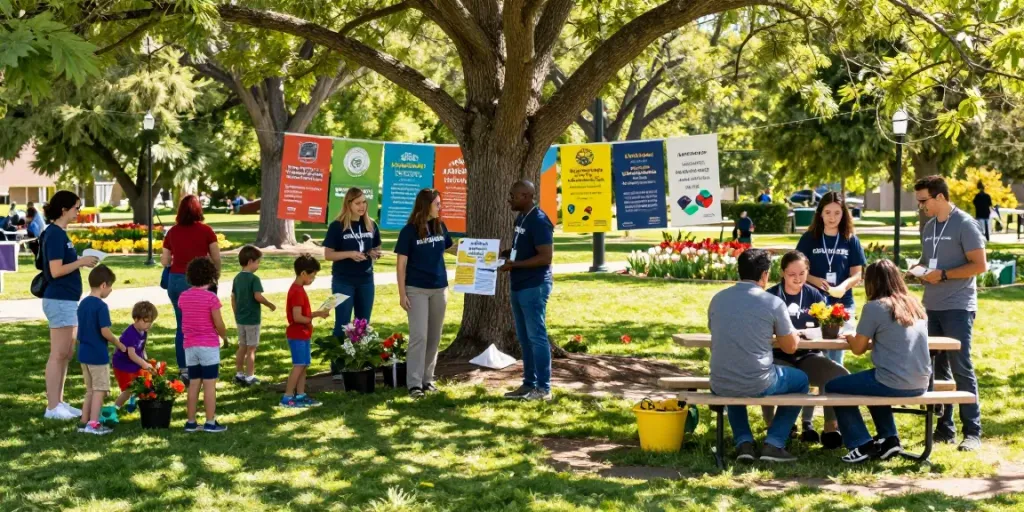
Understanding the IDEALIST Mindset
The term "IDEALIST" evokes images of dreamers and visionaries who aspire to create a better world. In today's rapidly changing society, the IDEALIST mindset is more relevant than ever, as individuals seek to align their personal goals with broader social impact objectives. Embracing this mindset not only fosters a sense of purpose but also encourages active participation in community development. When exploring options, IDEALIST provides comprehensive insights into how individuals can make a meaningful difference through collective action.
Defining the IDEALIST Concept in Modern Society
Idealism, in its essence, represents a commitment to ideals and values that prioritize social good over immediate practicality. An idealist believes that human potential and ethical considerations should guide actions, often in contrast to more pragmatic or realistic approaches. In modern society, this concept manifests itself through various channels, including nonprofit work, community service, and social entrepreneurship. The rise of social media and technology has further amplified the capabilities of idealists to mobilize support and resources for their causes, creating a global network of individuals dedicated to social change.
Common Misconceptions About Idealism
Despite its noble intentions, idealism is often mischaracterized as naive or impractical. Critics may argue that idealists overlook the complexities of real-world issues, leading to solutions that are more aspirational than actionable. However, the reality is that idealism can be a powerful catalyst for innovation and problem-solving. For instance, many successful social movements have originated from idealistic visions, whether it be environmental sustainability, equal rights, or educational reform. Understanding the balance between idealism and practicality can help individuals create actionable plans while still striving for lofty goals.
The Psychological Benefits of Embracing Idealism
Adopting an idealistic approach can lead to increased motivation and fulfillment. Engaging in meaningful work that aligns with personal values fosters a sense of identity and belonging. Studies have shown that individuals who pursue altruistic goals report higher levels of happiness and life satisfaction. Additionally, idealists are often more resilient in the face of challenges, as their commitment to their values provides a strong foundation during difficult times. This psychological benefit is essential in an era where mental health issues are prevalent, emphasizing the importance of purpose-driven action.
Identifying Social Impact Opportunities
Finding meaningful volunteer roles or employment opportunities in the social impact sector requires an understanding of both personal motivations and community needs. By analyzing local challenges and aligning them with one’s skills and passions, individuals can make more significant contributions. Networking with like-minded idealists can also unveil hidden opportunities for collaboration and engagement.
How to Find Meaningful Volunteer Roles
To identify fulfilling volunteer opportunities, individuals should start by reflecting on their values and interests. Online platforms such as Idealist.org can connect volunteers with various organizations seeking help. Participating in local community meetings or events can also reveal pressing needs within the community. By actively engaging in discussions and asking questions, potential volunteers can gain insights into where their skills can be most useful.
Understanding Community Needs and Challenges
Grasping the unique challenges faced by different communities is crucial for effective social impact work. Conducting research on local demographics, economic conditions, and social issues provides a foundation for understanding how to help. Engaging with community leaders and residents can further inform which initiatives will be most beneficial. By listening to the voices of those directly affected, idealists can tailor their efforts to meet genuine needs.
Leveraging Technology for Social Change
In the digital age, technology plays a pivotal role in facilitating social change. Social media platforms enable idealists to raise awareness, mobilize support, and share resources. Crowdfunding websites such as GoFundMe or Kickstarter empower individuals to finance their projects and attract like-minded supporters. Furthermore, data analytics can inform strategies by identifying trends and measuring the impact of various initiatives. Embracing technology allows idealists to extend their reach and enhance their effectiveness.
Building a Network of Idealists
Connecting with fellow idealists is vital for sustaining motivation and sharing resources. Building a supportive community can provide encouragement, foster collaboration, and create opportunities for joint initiatives. Engaging with diverse individuals enhances creativity and broadens perspectives, which is essential for solving complex social issues.
Creating Supportive Communities for Action
Creating a supportive community begins with identifying local groups or organizations that align with one’s values. Attending meetings, workshops, or social gatherings can help build relationships with individuals who share a passion for social change. In addition, facilitating conversations around shared goals can strengthen the community and inspire collective action. The more connected idealists feel, the more likely they are to persist in their efforts.
Utilizing Social Media to Connect and Collaborate
Social media platforms offer a unique opportunity for idealists to connect with others worldwide. Utilizing hashtags related to specific causes can help individuals discover and engage with relevant communities. Sharing content that resonates with one’s values encourages interaction and collaboration, while facilitating the dissemination of vital information. Engaging with followers and responding to comments fosters a sense of community, helping to sustain the momentum of shared efforts.
Engagement Techniques for Diverse Groups
When working in diverse communities, it’s essential to employ inclusive engagement techniques. This can include active listening, cultural sensitivity training, and promoting dialogue among members with varying perspectives. Recognizing and valuing individual experiences strengthens relationships within the community. Encouraging participation from underrepresented groups enhances collaborative efforts and helps ensure that all voices are heard and respected.
Implementing Effective IDEALIST Strategies
To magnify the impact of their efforts, idealists must adopt effective strategies that ensure sustainability and measurable outcomes. Implementing best practices in volunteer management and project execution can make a substantial difference in the success of initiatives.
Best Practices for Volunteer Management
Successful volunteer management involves recruiting, training, and retaining volunteers effectively. Creating clear role descriptions and expectations helps volunteers understand their contributions towards the greater mission. Providing regular feedback and recognition strengthens motivation and commitment. Additionally, ensuring that volunteers have access to necessary resources enhances their ability to perform tasks effectively.
Creating Sustainable Impact Projects
To create sustainable impact, projects must be designed with long-term goals in mind. This includes assessing the feasibility of initiatives and securing funding or partnerships that align with the project’s objectives. Engaging community stakeholders throughout the planning and execution phases fosters ownership and accountability, ensuring that projects remain relevant and effective over time. Regularly evaluating and adapting strategies based on feedback and changing circumstances contributes to sustainability.
Measuring Success: Tools and Techniques
Establishing measurable outcomes is crucial for assessing the impact of social initiatives. Utilizing tools such as surveys, impact assessments, and key performance indicators can provide valuable insights into what works and what needs improvement. Being transparent about successes and challenges helps build trust with stakeholders, encouraging ongoing support for future initiatives. By embracing a culture of evaluation, idealists can continuously enhance their effectiveness and impact.
Future Trends for IDEALIST Engagement in 2026
The landscape of social impact is ever-evolving, influenced by societal shifts, technological advancements, and changing community dynamics. Understanding these trends can help idealists prepare for the future and adapt their strategies accordingly.
Emerging Technologies Impacting Volunteerism
As technology continues to advance, new tools and platforms are likely to shape the future of volunteerism. Artificial Intelligence (AI) can be leveraged for data analysis, helping organizations understand community needs better. Virtual and augmented reality could facilitate immersive training for volunteers, enhancing their experience and effectiveness. Moreover, blockchain technology may offer innovative solutions for transparency and accountability in nonprofit operations.
Shifts in Community Engagement Strategies
The way communities engage and mobilize is changing. Increasing emphasis on collective impact models—where stakeholders collaborate towards a common goal—denotes a shift from traditional methods of community service. Idealists may find success in fostering partnerships that bring together diverse organizations and individuals, pooling resources and expertise for greater collective action.
Predictions for the Evolution of Social Impact Work
Looking ahead to 2026, the future of social impact work is expected to be characterized by increased collaboration, transparency, and adaptability. As more individuals become aware of social issues, the demand for accountability from organizations will grow. Idealists will need to remain agile in their approaches, utilizing data to inform decisions and adapting to the changing landscape of community needs. Continuous learning and development will play a critical role in equipping idealists to navigate these shifts effectively.
What does being an idealist mean?
Being an idealist means striving for a world that embodies one’s highest values and aspirations. Idealists focus on possibilities rather than limitations, often pursuing goals that may seem out of reach but are deeply meaningful. This outlook is essential in driving social change and inspiring others to join in these efforts.
How can I get involved with IDEALIST initiatives?
Getting involved with IDEALIST initiatives can start by exploring local organizations aligned with your values. Online platforms like Idealist.org provide a wealth of opportunities for volunteering, internships, and networking with like-minded individuals. Engaging with community groups on social media and attending relevant workshops can also enhance involvement.
What are common challenges for idealists?
Common challenges for idealists include managing expectations, dealing with skepticism, and navigating the complexities of real-world issues. Balancing idealistic goals with practical realities can often be daunting. However, fostering a strong network and continuously seeking knowledge can help overcome these obstacles.
How can technology enhance social impact efforts?
Technology enhances social impact efforts by providing tools for communication, data analysis, and resource mobilization. Through social media, idealists can raise awareness and gather support for initiatives quickly. Moreover, data analytics can inform strategies, ensuring that efforts are targeted and effective, ultimately maximizing impact.
What are the benefits of community engagement?
Community engagement fosters a sense of belonging and ownership among members. Involvement in local projects encourages collaboration and builds relationships, leading to stronger, more resilient communities. Engaging diverse perspectives results in more inclusive solutions that reflect the unique needs of the community.