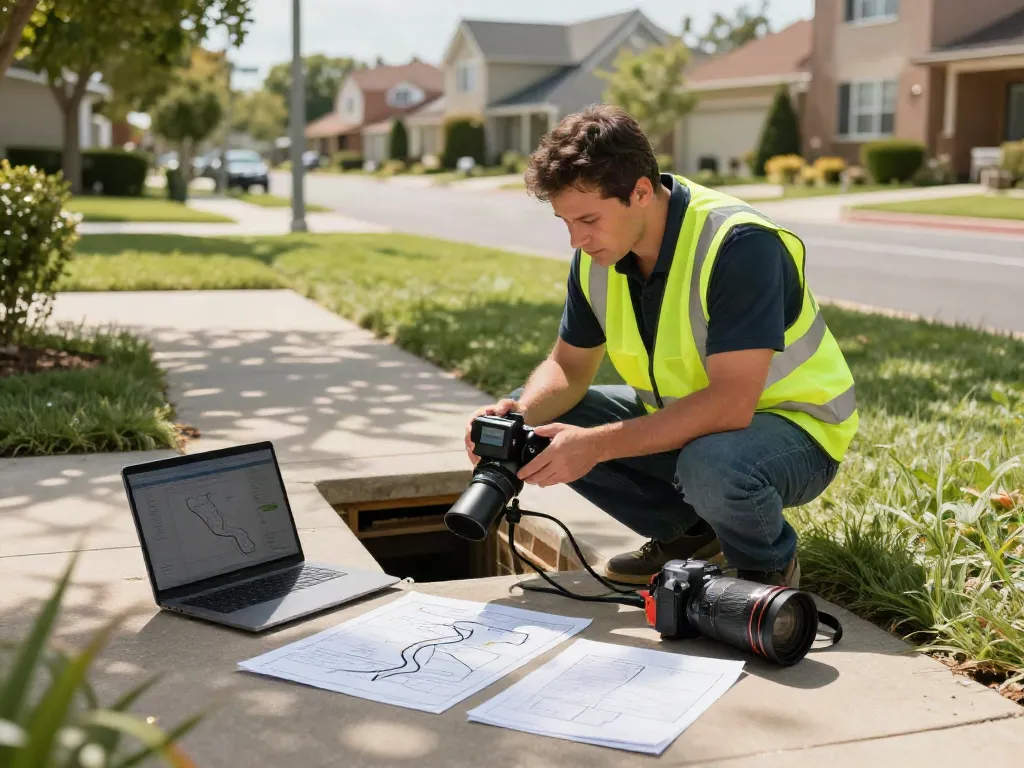
The Importance of Professional Drainage Surveys
In the realm of property management and development, understanding the intricacies of drainage systems is paramount. Proper drainage ensures the integrity of buildings and infrastructure, safeguarding them against flooding, structural damage, and costly repairs. Professional drainage surveys serve as a critical tool, providing property owners, architects, and civil engineers with vital information regarding the condition and layout of underground drainage networks. When exploring options, Drainage Surveyors Surrey provides comprehensive insights into your drainage systems, helping to preempt issues before they escalate.
Understanding Drainage Systems for Property Development
Drainage systems are designed to manage surface water and sewage, directing them away from properties to prevent flooding and contamination. In regions like Surrey and London, where urban density is high, these systems can become complex and often outdated. Understanding how these systems function is vital for ensuring that any new development does not disrupt existing infrastructures and complies with local regulations.
Key Benefits of Hiring Drainage Surveyors Surrey
- Expertise and Knowledge: Professional drainage surveyors possess in-depth knowledge of local drainage systems and regulations, which is invaluable for ensuring compliance and optimal system performance.
- Advanced Technology: Employing state-of-the-art equipment, such as CCTV cameras and Ground Penetrating Radar (GPR), allows surveyors to inspect and diagnose drainage issues without invasive excavation.
- Accurate Reporting: Detailed reports generated using industry-standard software provide clear insights into the condition of drains, enabling informed decisions regarding repairs and maintenance.
- Cost Savings: By identifying issues early, property owners can prevent costly emergency repairs and protect their investments.
Pitfalls of Ignoring Drainage Inspections
Neglecting drainage inspections can lead to a host of problems, including severe flooding, structural damage, and expensive repairs. Moreover, property transactions may suffer delays or complications if drainage problems are discovered late in the process. Regular inspections offer peace of mind and ensure that potential issues are identified and addressed promptly.
Choosing the Right Drainage Surveyor
Selecting a qualified drainage surveyor is crucial for effective drainage management. It involves evaluating their experience, certifications, and the technology they utilize.
Essential Qualifications and Certifications
Drainage surveyors should possess relevant qualifications, such as membership in professional bodies like the Chartered Institution of Water and Environmental Management (CIWEM). This ensures they are trained in industry best practices and adhere to local regulations.
Evaluating Experience in the Local Area
Local experience is key when hiring a drainage surveyor. Familiarity with Surrey’s specific drainage issues and systems can significantly enhance the quality of the survey and the subsequent recommendations.
Cost Factors and Budget Considerations
Cost is often a consideration for many property developers. While it is crucial to stay within budget, selecting based solely on price could lead to insufficient inspections. It is advisable to weigh the cost against the comprehensiveness of the service offered.
Common Drainage Problems Identified by Expert Surveys
Expert drainage surveys are instrumental in identifying a variety of common issues within drainage systems, providing essential information for remediation.
Identifying Blockages and Structural Issues
Blockages and structural problems can result from a myriad of factors, such as tree root intrusion, debris accumulation, and pipe deterioration. CCTV drainage surveys excel in pinpointing these issues, allowing for targeted repairs.
Assessing Condition of Pipes and Accessories
Understanding the health of pipes and related components, such as manholes and connections, is critical. Regular assessments can identify areas needing immediate attention, thereby averting future complications.
Emerging Technologies in Drainage Surveying
Technological advancements, including the use of drones and AI in surveying, are revolutionising the industry. These innovations enhance accuracy and efficiency, allowing surveyors to provide insights that were previously difficult to obtain.
Best Practices for Managing Drainage Systems
Once drainage systems have been surveyed, appropriate management practices should be employed to ensure long-term functionality and compliance.
Regular Maintenance to Prevent Future Issues
Establishing a maintenance schedule is essential. Routine inspections and cleanings can prevent the buildup of debris and structural failures, keeping drainage systems functioning optimally.
Integrating Survey Findings into Development Plans
Survey results should inform all phases of property development. Incorporating drainage data into design plans can prevent future conflicts and ensure compliance with local regulations.
Collaborating with Engineers and Planners
Communication and collaboration between drainage surveyors, civil engineers, and urban planners foster an integrated approach to drainage management, ensuring that all parties are informed and aligned.
Future Trends in Drainage Surveying
As the industry evolves, so too do the methodologies and technologies employed in drainage surveying.
Impact of Climate Change on Drain Systems
Climate change is precipitating more extreme weather conditions, necessitating adaptations in drainage design and management. Properties may need enhanced drainage capabilities to cope with increased rainfall and flooding.
Innovative Solutions and Practices for 2026
Looking ahead, innovative practices such as sustainable drainage systems (SuDS) are gaining traction. These systems are designed to manage water runoff, reducing strain on traditional drainage networks.
Advancements in CCTV and GPR Technology
Continuous improvements in CCTV and GPR technology will enable more detailed inspections, allowing surveyors to capture comprehensive data that informs better decision-making.
What are the potential costs of a drainage survey?
Costs can vary significantly based on the complexity and scope of the survey. Factors such as property size, location, and specific requirements will influence the overall price.
Is a drainage survey worth the investment?
Yes, investing in a drainage survey can save property owners from larger financial burdens in the future by identifying potential issues before they escalate.
How long does a drainage survey usually take?
The duration of a drainage survey can depend on various factors, from the size of the property to the technologies employed. Typically, surveys range from a few hours to a full day.
What does a drainage specialist do?
A drainage specialist is responsible for inspecting, assessing, and providing recommendations for drainage systems. Their insights are crucial for maintaining effective drainage and preventing system failures.
How can I prepare for a drainage survey?
To prepare for a drainage survey, ensure that any access points to drains are clear and inform the surveyor about any known issues with your drainage system. This ensures a smoother process and more thorough inspection.